Have You Been Well Prepared for Electric Vehicle 800-volt System?
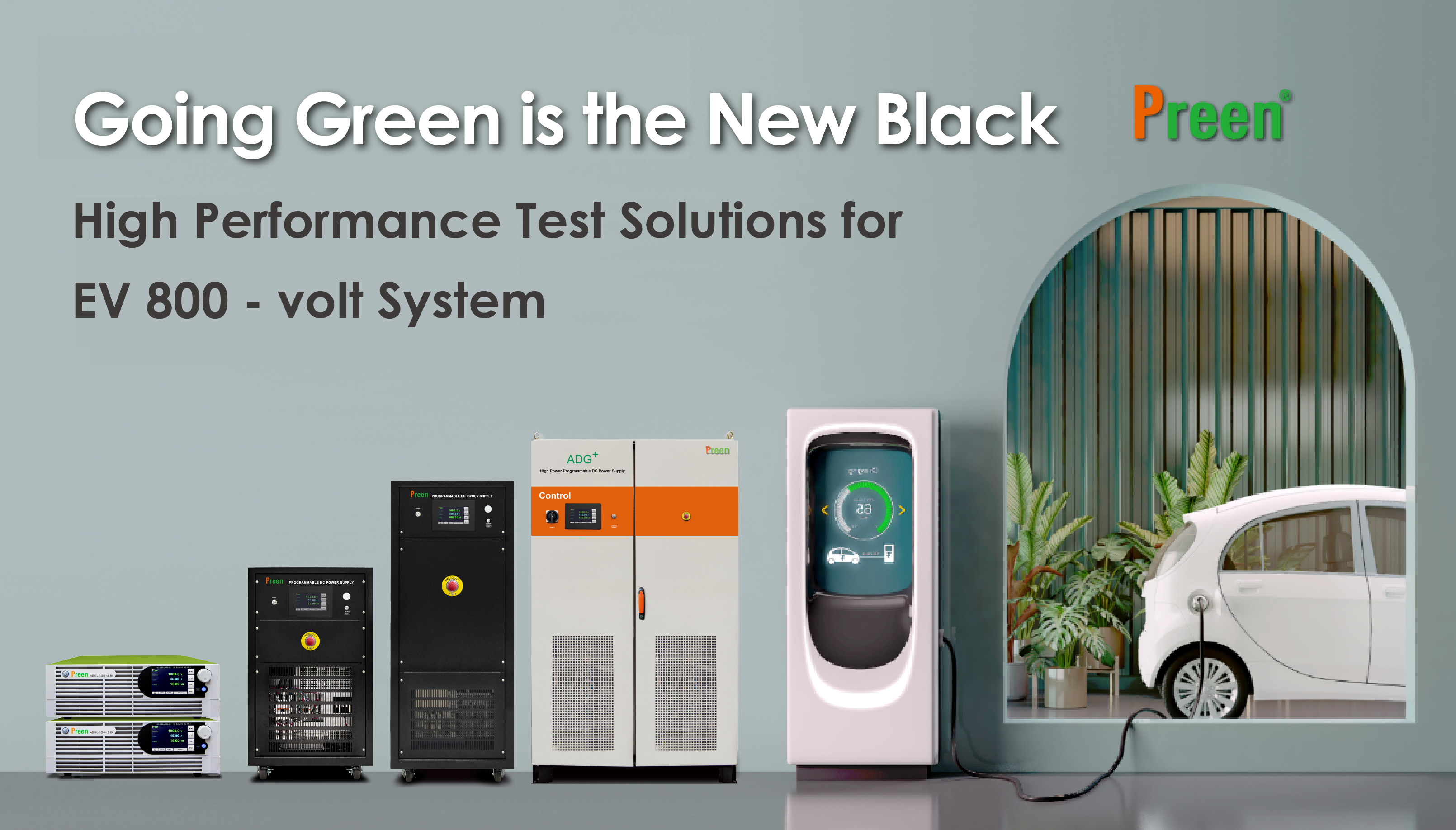
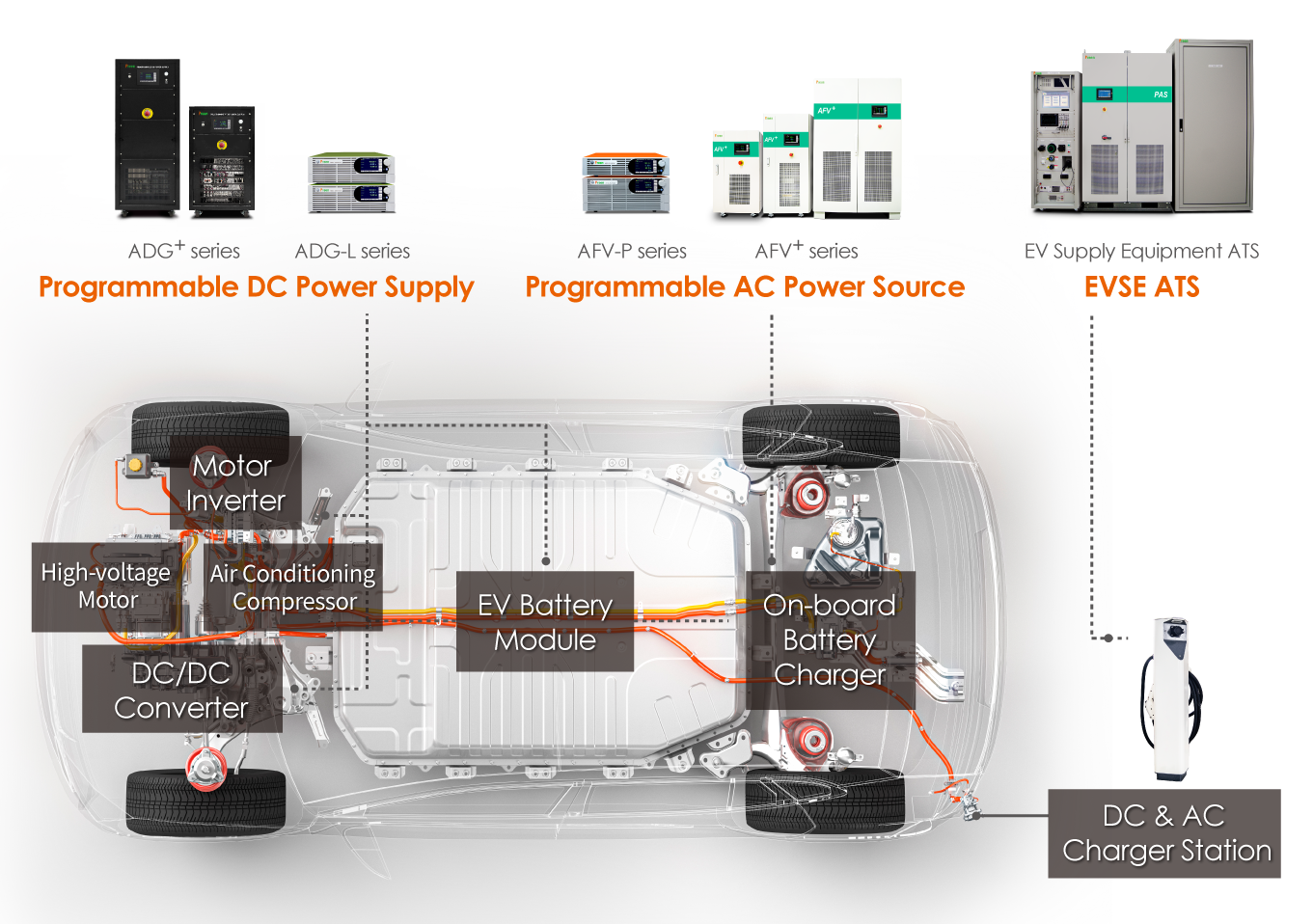
The rising demand of electric vehicle raises the concerns of charging speeds and driving ranges. Automakers has always been exploring and developing new age charging systems and technologies enabling higher efficiency and cost-effectiveness, and 800-volt system is the product that can deliver this promise. According to InsideEVs, most of the newly introduced electric vehicles will be shifted to 800-volt system by 2025. As with any other technology, the 800-volt system has been adapted by many main automakers, such as Porsche Taycan, Audi E-tron, Hyundai Ioniq 5 and Xiaopeng G9.Preen offers a variety of testing solutions for both current 400-volt and future 800-volt EV architectures. To find out more about how Preen can help the industry to advance to the next step, please continue to the content below or visit our website!400-volt Systems VS 800-volt Fast Charging Systems
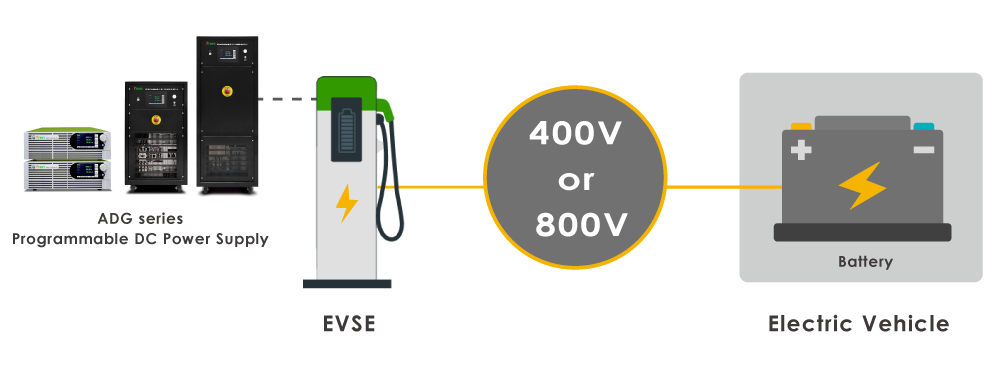
Nowadays, mainstream EV structures include 400-volt systems and 800-volt systems. 800-volt systems used less current with smaller and lighter cables and wires, cutting down the circuit resistance, leading to enhanced power density and energy efficiency, making the battery charge faster. When the voltage increases and maintains a certain charging current, it helps to increase the charging energy (power), as the result, reduced the charging time.
According to IEC 61851-23, the peak of the charging station is 1000V, and can charge at 250kW. However, the vast majority of EVs are 400-volt systems, in which the charging voltage can only be less than 500V. Also, charging time and split charging are likely to be the factors that cause charging stations unable to reach the highest charging power; only shifting the 400-volt system to 800 volts can improve the charging efficiency and lower charging time.
The Best Solutions for Your High Voltage Fast Charging System