Tech Insights / Professional Column
Achieving New Heights in Global Expansion with 35 Years of Excellence in Power Testing
2024/12/31View

2026/06/29
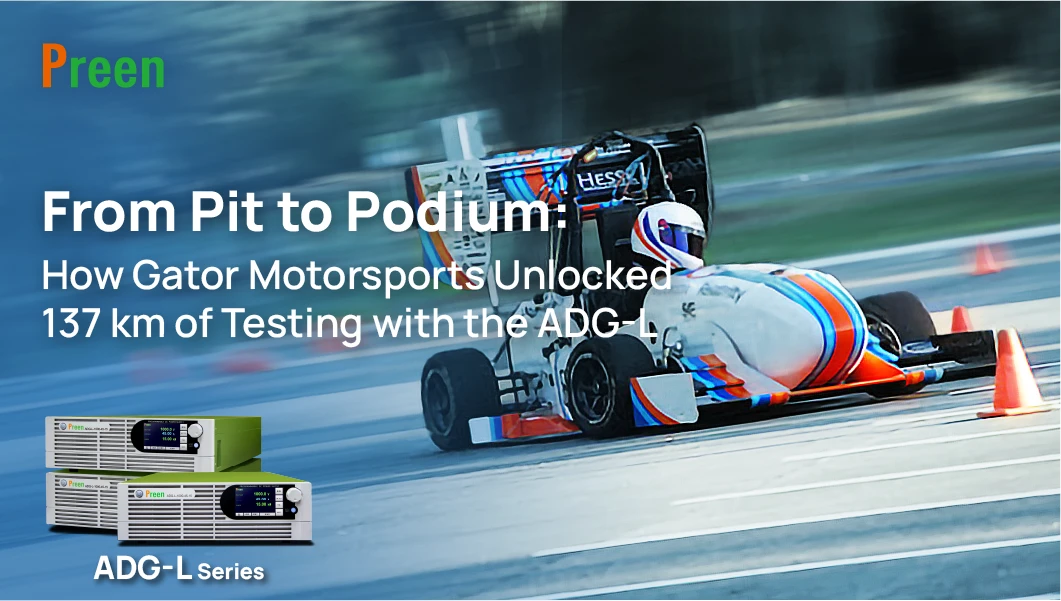
Student Formula racing doesn't forgive inefficiency. Every hour lost to a broken process is an hour that doesn't go into tuning, testing, or putting kilometers on the car. For Gator Motorsports, the Formula SAE Electric team at the University of Florida, the inefficiency hiding in plain sight was their charging setup.
Three Hours Before Testing Even Starts
This is their 4th-generation electric vehicle, and the 3rd season running a fully custom battery pack. The accumulator runs at 403.2 V with 7.78 kWh of nominal energy, built on a 96s5p cell architecture with a custom distributed BMS. The engineering behind the pack was solid. The problem was getting it charged.
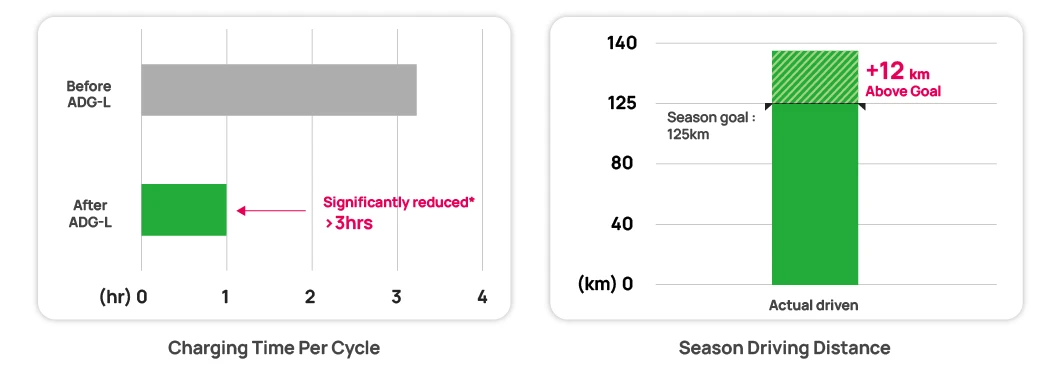
A full charge used to take upwards of three hours from initial setup to completion. Multiply that across a development season and the math gets painful quickly. The team had set a season target of 125+ km driven, knowing that driving time translates into data, and data translates into a realistic shot at a top- 15 competition finish. With the old process eating hours before a wheel turned, that target was getting harder to reach.
What Made ADG-L the Right Fit
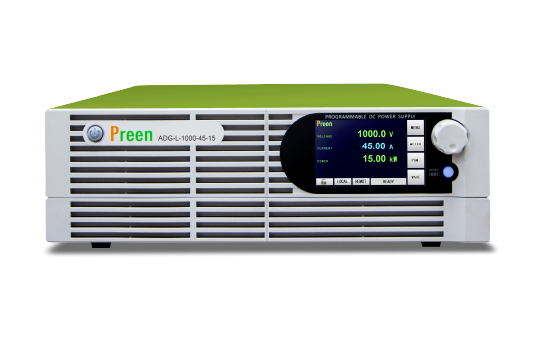
The team brought in Preen's ADG-L programmable DC power supply, connecting it at the charger stage of the high-voltage system.
The voltage output range was the first thing that mattered. ADG-L covers up to 1000 V with unit power from 5 kW to 15 kW, expandable to 75 kW through parallel connection. For a 403.2 V pack, the team was operating well within the ADG-L's range rather than pushing marginal hardware to its ceiling. That headroom matters both for day-to-day reliability and for how the charging profile behaves near the top of the pack's voltage window.
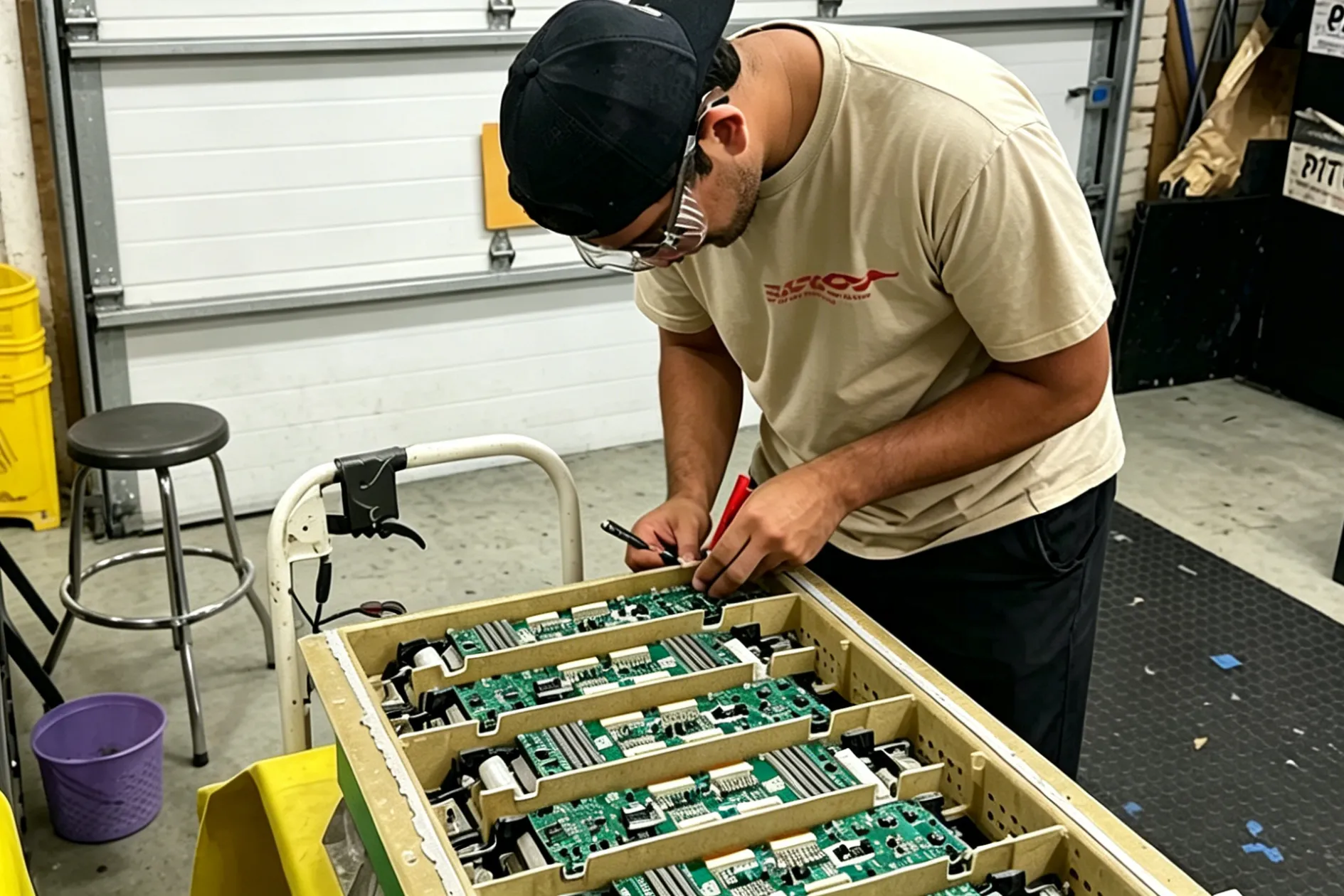
The second piece was system integration. Gator Motorsports runs custom electronics throughout the car, and they needed a power supply that could talk to their systems over LAN without workarounds. ADG-L's standard Ethernet interface handled this cleanly, alongside RS-232, RS-485, USB and Analog. The team could run software-controlled charging sequences directly from their own firmware, which is the kind of flexibility that a team building custom electronics actually needs.
Stability rounded out the picture. ADG-L is built on DSP and PWM architecture, which gives it low output ripple, tight regulation, and fast transient response. The remote sensing function compensates for voltage drop across cable resistance, so what the BMS sees at the pack terminals is what was actually programmed. For a precision-built accumulator, that's not a nice-to-have.
137 km and the Season Goal Crossed
Charging time dropped significantly after the ADG-L came in. That recovered time went directly back into test sessions, and more test sessions meant more data on how the car was actually behaving.
The team's season goal was 125+ km driven. They've logged 137 km so far, and counting. In the team's own words: "Without the ability to charge faster and more reliably, it would have taken significantly longer to reach our current 137 km driven and counting." The ADG-L was, as they put it, "crucial" to getting there. That driving time is what's putting a top-15 finish and a spot in Design Finals within reach.
What the Next Two Seasons Look Like
The team is already thinking past charging. Over the next two seasons, Gator Motorsports plans to move from an off-the-shelf traction inverter to a custom design, and the ADG-L is central to that development path. Its programmable output sequences, built-in simulation modes for voltage sags and dropouts, and capacity for complex DC waveform generation make it usable as a bench source for high-voltage inverter validation work. The same unit that's been charging the pack will be stress-testing the next generation of power electronics.
If your application demands the same combination of output range, system flexibility, and measurement stability, the ADG-L series is worth a closer look.